
The Story Changes When It Is Written Down
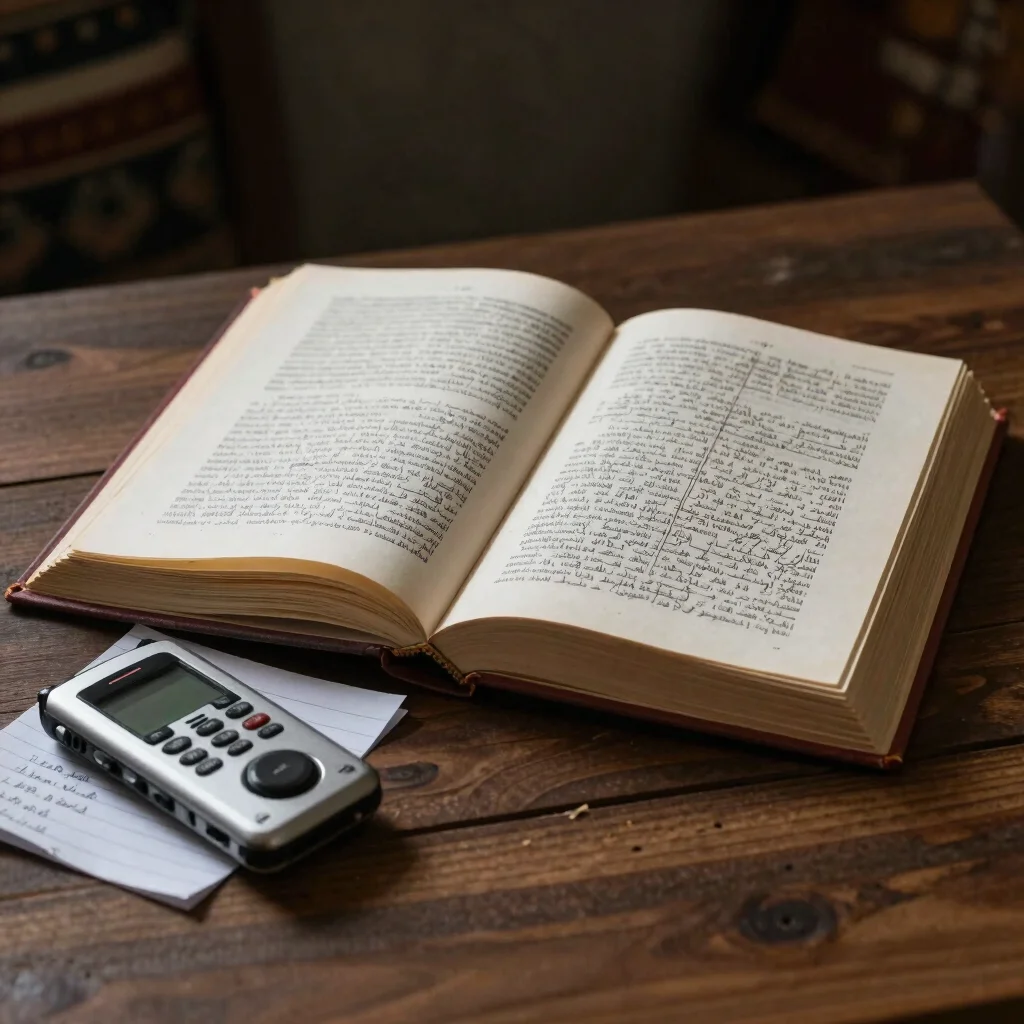
A story told aloud arrives with more than its words: there is a speaker, a listener, a pause, and a reason for telling it now. Put those words on a page and something valuable becomes easier to revisit, but the change in medium matters. For Somali oral literature, the written version is best read as an invitation into a living tradition, not a substitute for every telling.
A Page Keeps One Version
An editor or transcriber has to make choices: where a sentence begins, which repetition to keep, and how to show a pause. Those decisions help a reader follow the text, but they also shape what the reader hears in their mind. A printed version can be useful and beautiful while still being one rendering of a performance.
Context Is Part of Meaning
The same tale may carry a different emphasis depending on who tells it and who is listening. A phrase that feels playful in one setting may sound like counsel in another, and a listener may know a local reference the page cannot explain. A short note about place, speaker, or occasion can help, provided it adds context rather than pretending to settle every interpretation.
Read, Then Keep Listening
Readers can approach written oral literature with curiosity instead of asking the page to stand in for the whole tradition. Notice what the text preserves, and leave room for what it cannot carry: cadence, audience, and the small shifts that make each telling its own. The page is not the final stop; it can be a good reason to ask someone to tell the story again.